Picture the scene, a client reaches out needing a website refresh. Nothing unusual there. The business has grown, the site was built a few years ago, competitors are beginning to look sharper and somebody has finally decided it’s time to sort it out. They’re not looking for a grand strategic exercise. They just want a better website. So I have questions;
What does the current brand look like? They have a logo. Great. Is there a brand guide? Not really, although somebody produced one years ago and there might be a PDF somewhere. What colours are we working with? There’s definitely a blue, although the website blue is slightly different from the PowerPoint blue and the sales team seem to use another one. Which fonts? Whatever was installed when the presentation templates were made. Photography? A mixture of stock, staff photographs and images accumulated over the years. Tone of voice? Professional, probably. Friendly too. Although the sales material sounds quite different from the website.
None of this is particularly alarming. In fact, it is incredibly normal.
But twenty minutes into a conversation about rebuilding a website, we aren’t really talking about a website anymore. We’re talking about branding. The website has simply become the place where all the little decisions the organisation has been making independently for years suddenly have to sit next to each other. And this isn’t client ignorance. Far from it. Often the branding stage gets overlooked because the meaty, exciting and most visible parts seem to come afterwards.
I tend to think of it a little like tanks and tin soldiers.
“The tin soldiers are doing most of the everyday work. They’re organising things, holding positions, creating structure and doing all of the relatively unglamorous jobs that ultimately win the war. Then a tank comes rumbling through. It blows a great big hole in something, everybody turns to look at it and, more often than not, everybody remembers the tank.”
Websites, campaigns, glossy brochures and big launch assets are the tanks. They’re visible. They’re exciting. They’re the things people circulate internally and proudly send to clients. The brand system is the army quietly making sure the tank knows which direction it is supposed to be travelling in.
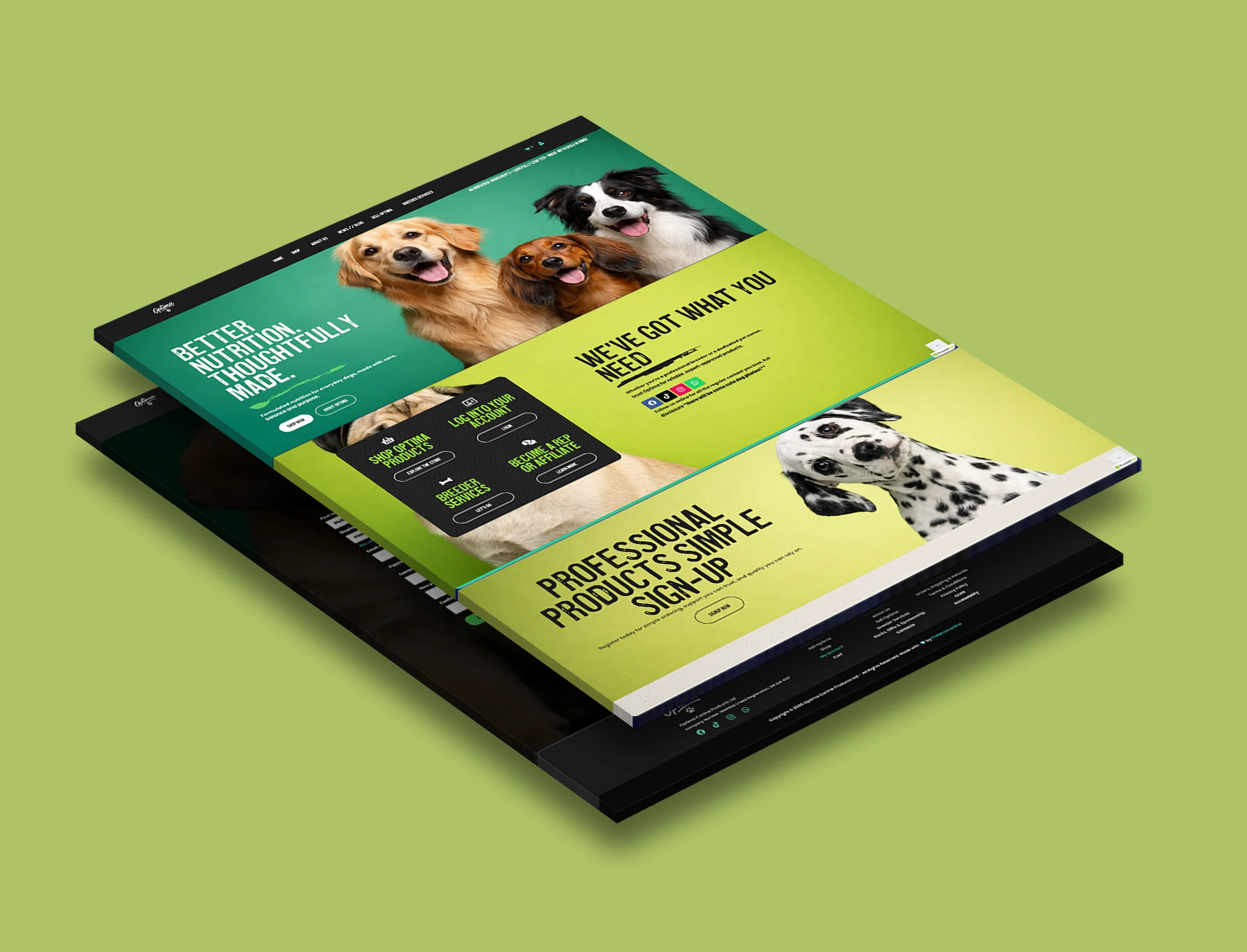
A logo isn’t a brand system
Logos are important, obviously. But asking a logo to do all the heavy lifting for a brand is a little unfair on the poor thing.
A useful brand system extends much further. It establishes a visual language through colour, typography, imagery, composition, graphic devices and layout behaviour. It establishes how photography should feel, how graphics interact, what information gets prominence and how an identity adapts when it moves from a business card to a 40-foot exhibition wall.
But the less visible parts are often just as important.
How does the organisation describe itself? Which words does it repeatedly use? Which words does it avoid? Is the language formal, technical, conversational, disruptive or reassuring? What is the actual positioning behind the visuals? What should someone understand about the organisation after encountering it for ten seconds?
Those decisions are branding too. Without them, every new piece of collateral becomes a tiny reinvention exercise. One agency makes the website. Another creates the exhibition graphics. Somebody internally builds the PowerPoint. A freelancer produces a social campaign. Six months later everyone has technically used the logo, yet somehow none of it quite looks or sounds like it belongs to the same organisation. That’s usually not a design-quality problem. It’s a system problem.
The website shouldn’t have to invent the brand
Websites tend to expose this particularly quickly because they force so many brand decisions into one place.
A website needs: headings, body copy, imagery, navigation language, buttons, forms, colour relationships, spacing conventions, motion, hierarchy and hundreds of smaller interface choices. When a brand system already exists, those decisions have context.
The job becomes: how does the brand behave here?
Without that foundation, the question becomes: what should the brand be? That might sound like semantics, but they are completely different briefs. The same applies to a campaign. If the visual and verbal foundations already exist, you can concentrate on the idea. You can stretch things, disrupt them and have fun because there’s something underneath holding it together. Without that foundation, every campaign starts by rebuilding the floorboards.
Brand systems aren’t supposed to be creative handcuffs
There is a slightly dusty perception of brand guidelines as enormous PDFs explaining that the logo must sit exactly 17.5mm from the edge of an A4 page. That isn’t really what I mean by a brand system.
A good system should make creative work easier, not more bureaucratic. It should establish enough consistency that designers, marketers, developers, photographers, videographers and internal teams can make new things without constantly asking whether they still belong to the brand. That requires rules, certainly, but it also requires flexibility.
A contemporary brand might appear on a website today, a vertical video tomorrow, inside an app next month and wrapped around something nobody has thought of yet next year. Trying to design every possible piece of collateral in advance is impossible. The better approach is to establish the underlying logic.
If you understand why the typography works, why particular colours dominate, how imagery is treated, how the organisation speaks and what the visual hierarchy is trying to achieve, the system can travel. That’s when branding starts becoming genuinely useful.
The gaps get expensive eventually
Skipping this stage can also create a strange kind of creative debt.
At first, everything seems fine. The website launches. Somebody makes some brochures. Canva templates appear. Presentations get copied from presentations. A slightly different shade of blue sneaks into social media because nobody remembers where the original came from. Nothing explodes.
But over time the small inconsistencies accumulate. You end up with five versions of the logo, three different fonts, photographs from completely different visual worlds and a tone of voice that changes depending on which department wrote the copy. Eventually someone suggests a rebrand. Sometimes what the organisation actually needs isn’t a dramatic new identity at all. It simply needs somebody to stop, gather the pieces and create a coherent system around them.
That might involve evolution rather than revolution: refining an existing logo, rationalising colours, establishing typography, defining imagery, creating layout conventions and putting some proper thought into positioning and language. Not everything needs throwing away. Sometimes the strongest branding decision is working out what is already good and finally giving it some structure.
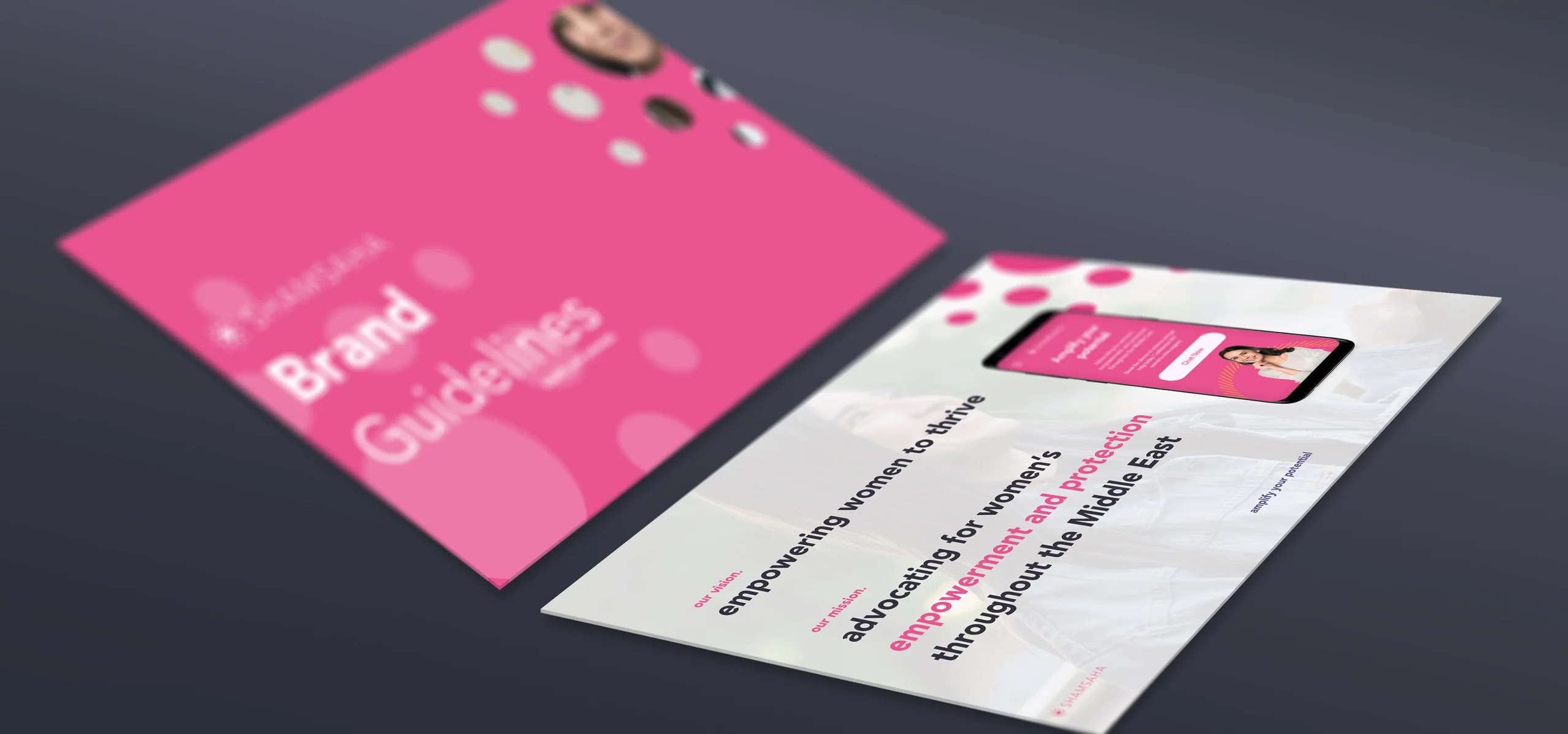
Design the system, then design the things
I’ve increasingly found myself thinking about branding less as the creation of individual assets and more as building the creative operating system underneath them. The identity establishes the ingredients. The brand system establishes how they behave. Everything afterwards becomes an application of that thinking. That could be a website, campaign, presentation, interface, film, social post, exhibition stand or something that hasn’t been invented yet.
And yes, eventually somebody still has to design the flyer. But when the brand underneath it has already been properly considered, designing the flyer is just designing the flyer.
The tank gets to make its dramatic entrance. It just has an entire system behind it making sure it hits the right target.